


Workshop: Cinema verité may be best known as the dynamic French film genre in the ’60s that created the semblance of real life, but the technique behind it has become an invaluable tool for all cinematographers. As a method, cinema verité is ideally suited to documentary filmmaking as a means of conveying candid realism in the context of shooting real life itself. Unlike feature films, the nature of documentaries is that each scene shot is a live event. And it is not possible to do a second take of a moment in time. The biggest challenge in shooting cinema verité is deciding the right time to move to the best new angle to capture vital aspects of the story unfolding.
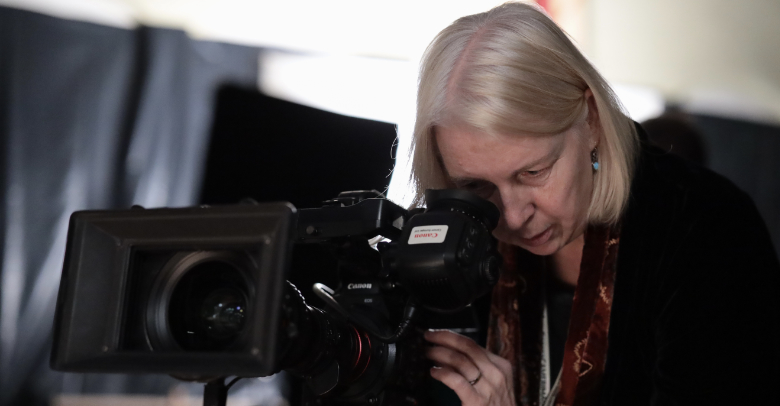
I. Overview: This workshop’s aim is to explore an array of cinematic skills and to illuminate why some are more successful than others as a means of documentary storytelling in a given scene. Led by Claudia Raschke, ASC, participants will learn composition and framing techniques for filming emotionally impactful scenes; camera movement and timing strategies for shooting dialogue-driven scenes; and the ways in which various angles and shot sizes can affect a scene’s impact. They will also be guided in choosing the right tools for a cinema verité documentary scene, from cameras and lenses to handheld rigs and lighting equipment.
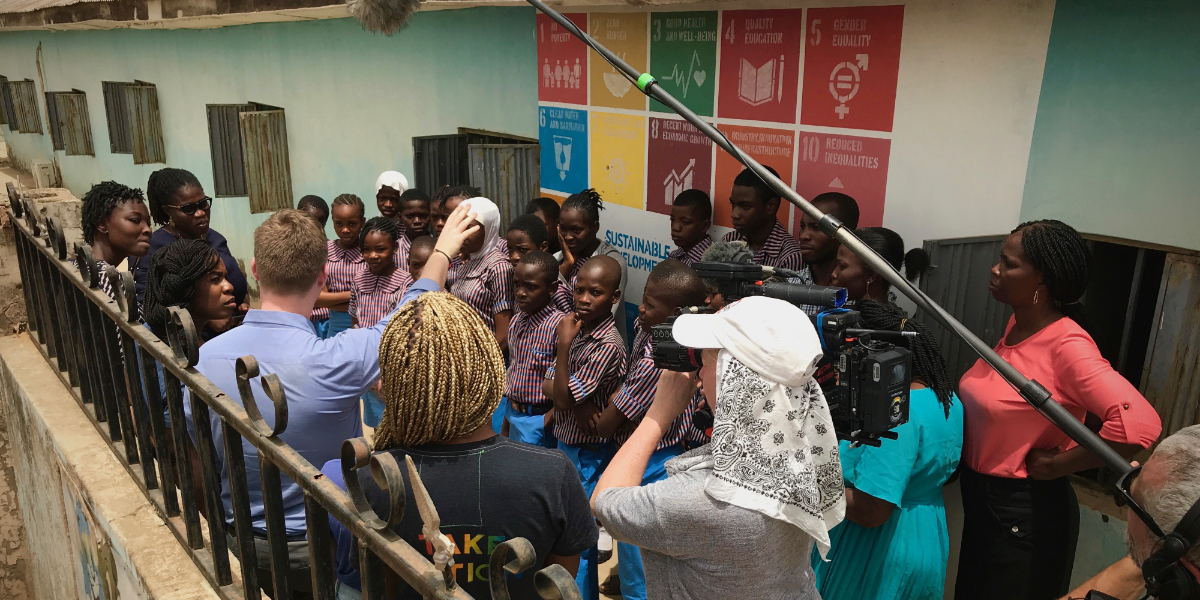
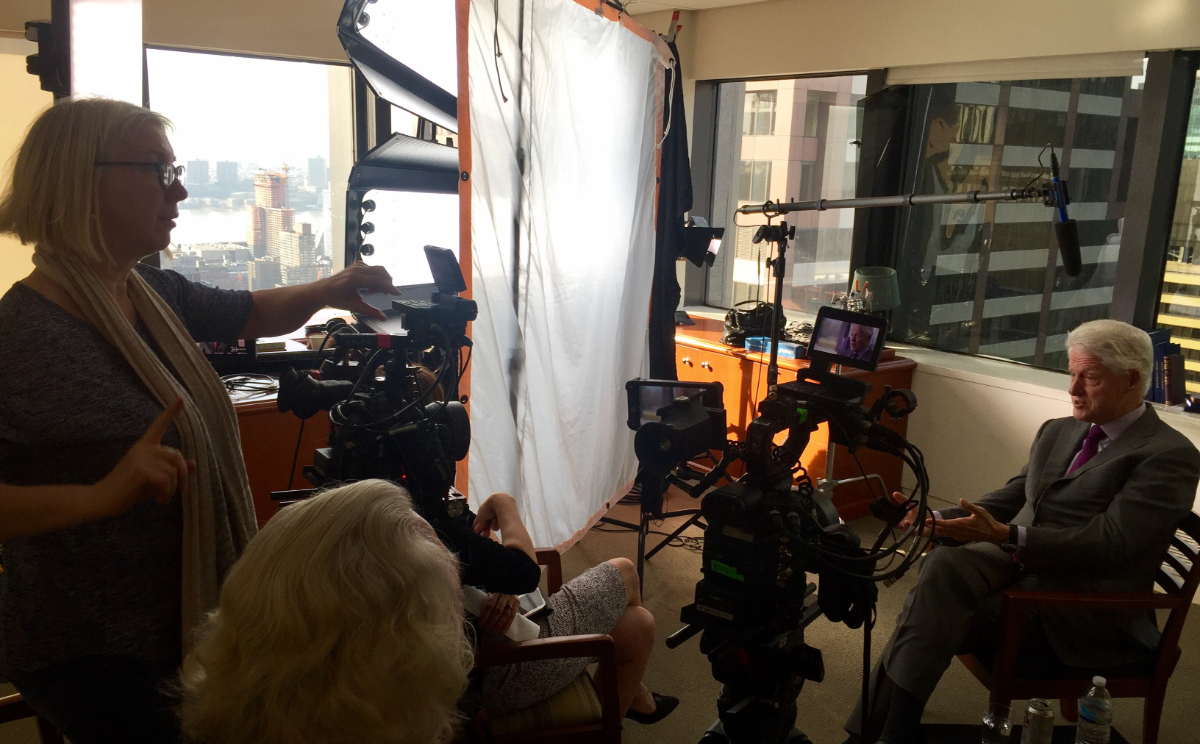
II. Film Clip Analysis: During the second portion of the workshop, Claudia Raschke will lead an interactive analysis of various film clips she has shot, stopping and starting each to allow for discussion and questions. The first clip, from a National Geographic documentary series, demonstrates on-the-spot angle coverage of an unpredictable situation. The second, from a Magnolia feature documentary, highlights camera movement in a dynamic scene with multiple characters. The third clip, from a Paramount feature documentary, reveals nuanced POV techniques for shooting an intimate character-driven scene. The last clip screened, from a PBS American Masters television documentary, illuminates the need for an unobtrusive, small-crew footprint when filming a highly emotional scene.
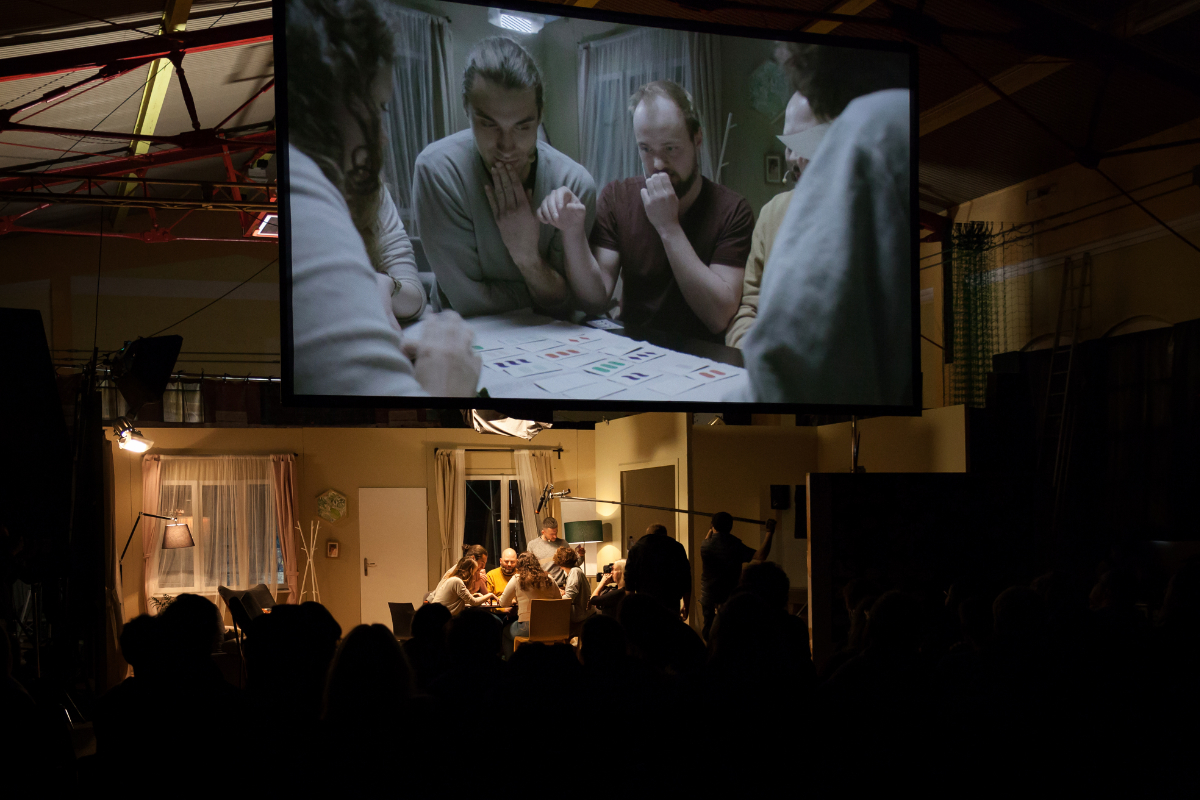
III. Interactive Demonstration: After a short break, Claudia Raschke will stage and film two versions of a scene in cinema verité style. Live footage will be screened for the audience as it is shot, with start-and-stop motion that allows Raschke to talk through her decision-making process for each scene, including evaluating the location’s potential, limitations, camera angles and character; choosing her tools; and determining a cinematic approach for the story.
IV. Demo Footage Review: In the final section of the workshop, Claudia Raschke reviews the footage of both takes in start-and-stop motion and invites participants to compare and contrast the two approaches. Along the way, participants’ questions will be answered, including how to correct common scene coverage mistakes.


 are tailored to enrich documentary festivals, to serve as master classes, and to stand alone as professional workshops hosted by industry vendors and film communities.
Workshop: Cinema verité may be best known as the dynamic French film genre in the ’60s that created the semblance of real life, but the technique behind it has become an invaluable tool for all cinematographers. As a method, cinema verité is ideally suited to documentary filmmaking as a means of conveying candid realism in the context of shooting real life itself. Unlike feature films, the nature of documentaries is that each scene shot is a live event. And it is not possible to do a second take of a moment in time. The biggest challenge in shooting cinema verité is deciding the right time to move to the best new angle to capture vital aspects of the story unfolding.
I. Overview: This workshop’s aim is to explore an array of cinematic skills and to illuminate why some are more successful than others as a means of documentary storytelling in a given scene. Led by Claudia Raschke, ASC, participants will learn composition and framing techniques for filming emotionally impactful scenes; camera movement and timing strategies for shooting dialogue-driven scenes; and the ways in which various angles and shot sizes can affect a scene’s impact. They will also be guided in choosing the right tools for a cinema verité documentary scene, from cameras and lenses to handheld rigs and lighting equipment.
II. Film Clip Analysis: During the second portion of the workshop, Claudia Raschke will lead an interactive analysis of various film clips she has shot, stopping and starting each to allow for discussion and questions. The first clip, from a National Geographic documentary series, demonstrates on-the-spot angle coverage of an unpredictable situation. The second, from a Magnolia feature documentary, highlights camera movement in a dynamic scene with multiple characters. The third clip, from a Paramount feature documentary, reveals nuanced POV techniques for shooting an intimate character-driven scene. The last clip screened, from a PBS American Masters television documentary, illuminates the need for an unobtrusive, small-crew footprint when filming a highly emotional scene.
III. Interactive Demonstration: After a short break, Claudia Raschke will stage and film two versions of a scene in cinema verité style. Live footage will be screened for the audience as it is shot, with start-and-stop motion that allows Raschke to talk through her decision-making process for each scene, including evaluating the location’s potential, limitations, camera angles and character; choosing her tools; and determining a cinematic approach for the story.
IV. Demo Footage Review: In the final section of the workshop, Claudia Raschke reviews the footage of both takes in start-and-stop motion and invites participants to compare and contrast the two approaches. Along the way, participants’ questions will be answered, including how to correct common scene coverage mistakes.
are tailored to enrich documentary festivals, to serve as master classes, and to stand alone as professional workshops hosted by industry vendors and film communities.