

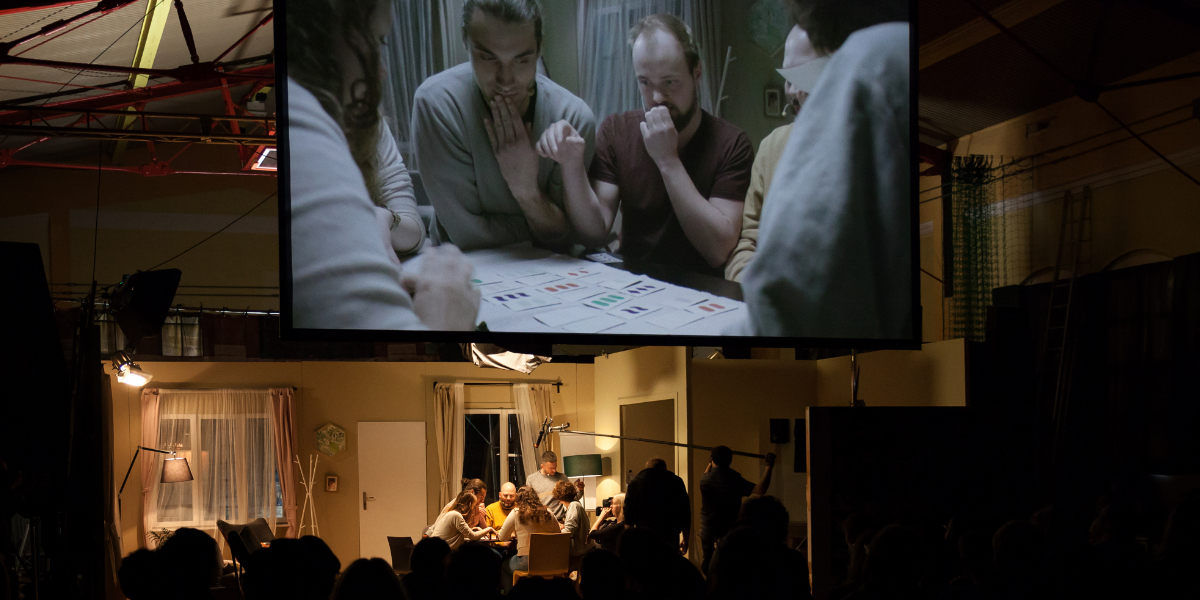

Workshop: Just as feature film cinematographers often borrow such documentary techniques as cinema verité, documentary DPs make frequent use of cinema’s poetic language to heighten the drama of their storytelling. Typically, a film of either type can benefit from having a predominant cinematic look — romantic, nostalgic, gritty or modernist, to name a few — that reflects the cinematographer’s vision. The challenge in documentary filmmaking is to keep the look alive throughout the shoot by applying it even in the most unpredictable situations while under duress.
I. Overview: This workshop’s aim is to illuminate the step-by-step process of developing a cinematic approach for a feature documentary or hybrid dramatic/documentary film. Claudia Raschke, ASC, leads participants in an exploration of how different cinematic tools create an impactful psychological subtext for cinema verité scenes, interviews and reenactments. Participants learn to analyze and draw inspiration from movies, documentaries and photos; come up with a cinematic concept via a mood board; choose the right cinematic tools to represent an emotion, dynamic or story theme; align their vision with the reality of a documentary film set; and experiment with and adjust their cinematic approach in the course of filming.
II. Film Clip Analysis: During the second portion of the workshop, Claudia Raschke leads an interactive analysis of cinematic inspiration drawn from documentaries, movies and photographs. The first three clips, from dramatic feature films, highlight several impactful lighting styles; the three subsequent clips, sourced from feature documentaries, explore the use of camera movement, depth of field and filtration techniques. The next clip examines the use of photographs as inspiration, specifically images with untraditional composition and framing. And the last two clips, from television documentaries, reveal the power of traditional composition and framing.
III. Interactive Demonstration: After a short break, Claudia Raschke stages and films a scene that demonstrates how to lend a cinematic approach to a cinema verité scene. Live footage will be screened for the audience as it is shot, with start-and-stop motion that allows Raschke to talk through her decision-making process at each step, including pitching a cinematic approach, evaluating the potential of different cinematic tools to interpret an emotion, dynamic or story theme; taking into account the unpredictable nature of documentary film sets; and adjusting one’s cinematic concept while filming is underway.
IV. Demo Footage Review: In the final section of the workshop, Claudia Raschke reviews the filmed footage in start-and-stop motion and invites students into the thought process behind each decision. Along the way, participants’ questions will be answered.
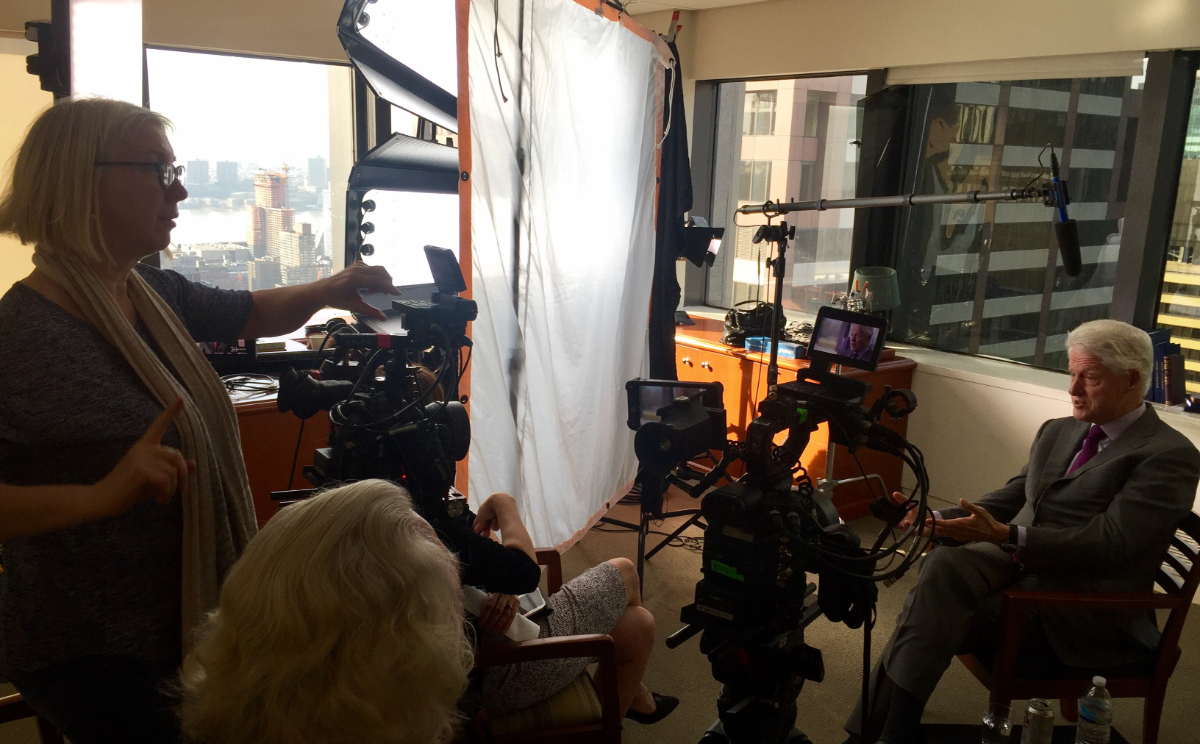



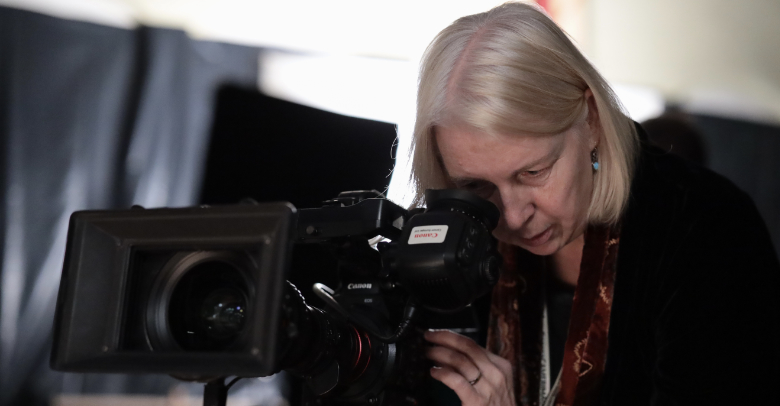
 are tailored to enrich documentary festivals, to serve as master classes, and to stand alone as professional workshops hosted by industry vendors and film communities.
Workshop: Just as feature film cinematographers often borrow such documentary techniques as cinema verité, documentary DPs make frequent use of cinema’s poetic language to heighten the drama of their storytelling. Typically, a film of either type can benefit from having a predominant cinematic look — romantic, nostalgic, gritty or modernist, to name a few — that reflects the cinematographer’s vision. The challenge in documentary filmmaking is to keep the look alive throughout the shoot by applying it even in the most unpredictable situations while under duress.
I. Overview: This workshop’s aim is to illuminate the step-by-step process of developing a cinematic approach for a feature documentary or hybrid dramatic/documentary film. Claudia Raschke, ASC, leads participants in an exploration of how different cinematic tools create an impactful psychological subtext for cinema verité scenes, interviews and reenactments. Participants learn to analyze and draw inspiration from movies, documentaries and photos; come up with a cinematic concept via a mood board; choose the right cinematic tools to represent an emotion, dynamic or story theme; align their vision with the reality of a documentary film set; and experiment with and adjust their cinematic approach in the course of filming.
II. Film Clip Analysis: During the second portion of the workshop, Claudia Raschke leads an interactive analysis of cinematic inspiration drawn from documentaries, movies and photographs. The first three clips, from dramatic feature films, highlight several impactful lighting styles; the three subsequent clips, sourced from feature documentaries, explore the use of camera movement, depth of field and filtration techniques. The next clip examines the use of photographs as inspiration, specifically images with untraditional composition and framing. And the last two clips, from television documentaries, reveal the power of traditional composition and framing.
III. Interactive Demonstration: After a short break, Claudia Raschke stages and films a scene that demonstrates how to lend a cinematic approach to a cinema verité scene. Live footage will be screened for the audience as it is shot, with start-and-stop motion that allows Raschke to talk through her decision-making process at each step, including pitching a cinematic approach, evaluating the potential of different cinematic tools to interpret an emotion, dynamic or story theme; taking into account the unpredictable nature of documentary film sets; and adjusting one’s cinematic concept while filming is underway.
IV. Demo Footage Review: In the final section of the workshop, Claudia Raschke reviews the filmed footage in start-and-stop motion and invites students into the thought process behind each decision. Along the way, participants’ questions will be answered.
are tailored to enrich documentary festivals, to serve as master classes, and to stand alone as professional workshops hosted by industry vendors and film communities.