

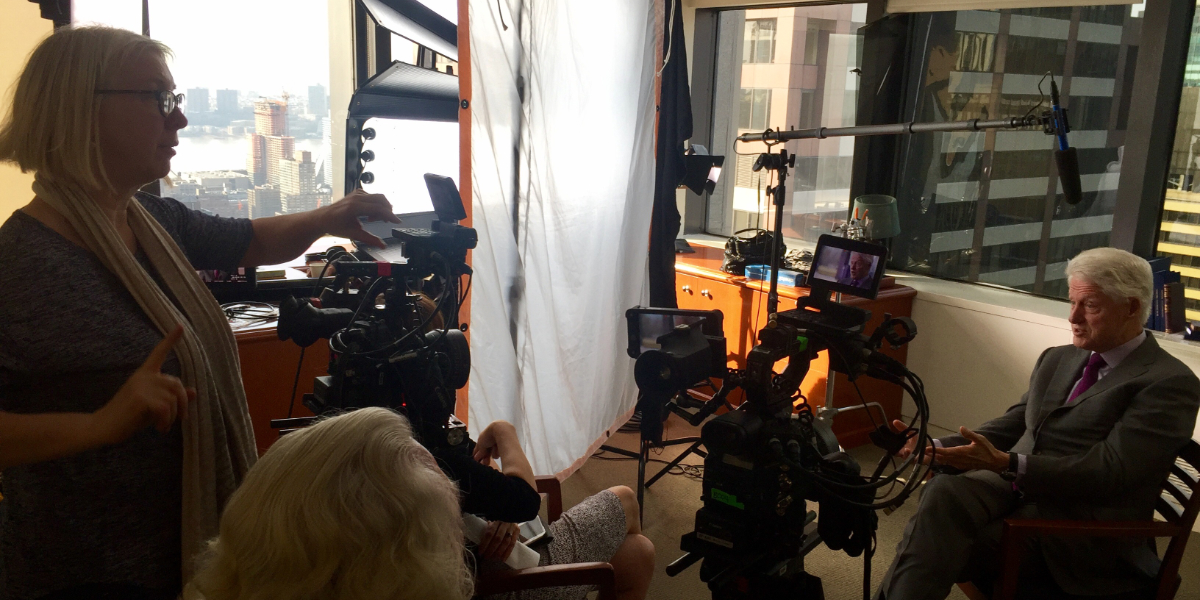

Workshop: Interviews are often seen as a necessary but tedious aspect of documentary filmmaking. But in the best documentaries, interviews can heighten a film’s dramatic impact, shed uncommon light on a hidden subject and bring long-forgotten historical moments to life. Learning to light interview scenes in unexpected ways is the key to transforming a talking head into a vital source of narrative storytelling.
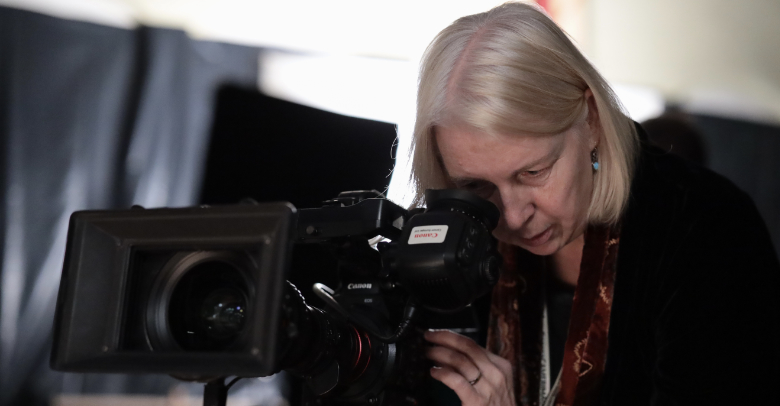
I. Overview: This workshop’s aim is to lead participants through the step-by-step process of using light to set the mood for various interview situations, including approaches for lighting interior and exterior sets as well as studio setups. Claudia Raschke, ASC, will lead participants in an exploration of various cinematic skills, including the use of light for composition and framing; the creation of a light ratio to convey a cinematic look; the setup of mood lighting for different interview scenarios; and how to choose the right tools, from light units and sculpting tools to lenses, for a particular look.
II. Film Clip Analysis: During the second portion of the workshop, Claudia Raschke will engage participants in an interactive analysis of various film clips she has shot, stopping and starting each clip to allow for discussion and questions. The first clip, from a National Geographic documentary series, examines interviews conducted mid-action in OTF (on-the-fly) style. The second, from a Magnolia feature-length documentary, explores interviews shot using natural mood lighting with multiple camera setups. The next clip, from a PBS American Experience feature documentary, looks at interviews filmed with stylized lighting and mood lighting for backdrops. The last clip screened, from a CNN documentary series, serves as an example of modern lighting approaches.
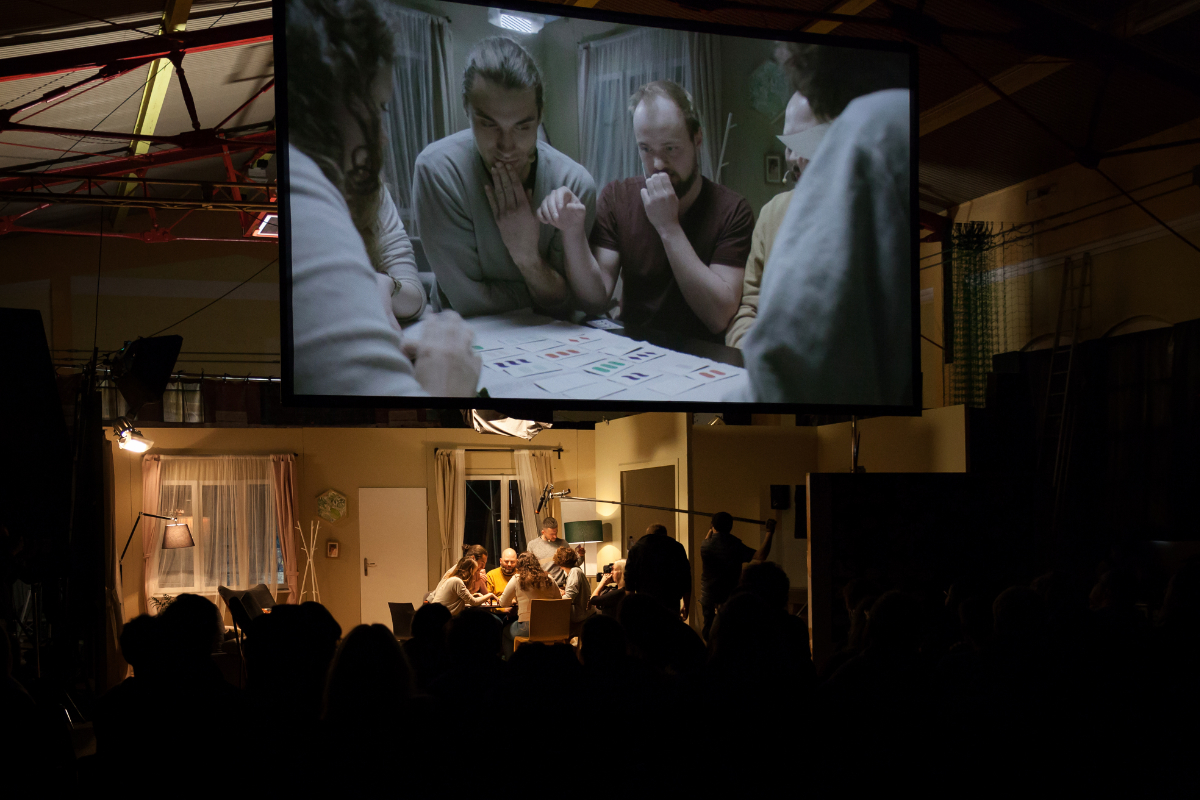
III. Interactive Demonstration: After a short break, Claudia Raschke will stage and film three interview scenarios that demonstrate how to create artistic lighting with single and multiple-camera setups. Each will convey a different cinematic look: moody, natural or stylized. Live footage will be screened for the audience as it is shot, with start-and-stop motion that allows Raschke to talk through her decision-making process behind each step.
IV. Demo Footage Review: In the final section of the workshop, Claudia Raschke will review the filmed footage in start-and-stop motion, bringing participants into the decision-making process and inviting them to discuss possible ways to change the lighting for mood altering effects. Along the way, participants’ questions will be answered.


 are tailored to enrich documentary festivals, to serve as master classes, and to stand alone as professional workshops hosted by industry vendors and film communities.
Workshop: Interviews are often seen as a necessary but tedious aspect of documentary filmmaking. But in the best documentaries, interviews can heighten a film’s dramatic impact, shed uncommon light on a hidden subject and bring long-forgotten historical moments to life. Learning to light interview scenes in unexpected ways is the key to transforming a talking head into a vital source of narrative storytelling.
I. Overview: This workshop’s aim is to lead participants through the step-by-step process of using light to set the mood for various interview situations, including approaches for lighting interior and exterior sets as well as studio setups. Claudia Raschke, ASC, will lead participants in an exploration of various cinematic skills, including the use of light for composition and framing; the creation of a light ratio to convey a cinematic look; the setup of mood lighting for different interview scenarios; and how to choose the right tools, from light units and sculpting tools to lenses, for a particular look.
II. Film Clip Analysis: During the second portion of the workshop, Claudia Raschke will engage participants in an interactive analysis of various film clips she has shot, stopping and starting each clip to allow for discussion and questions. The first clip, from a National Geographic documentary series, examines interviews conducted mid-action in OTF (on-the-fly) style. The second, from a Magnolia feature-length documentary, explores interviews shot using natural mood lighting with multiple camera setups. The next clip, from a PBS American Experience feature documentary, looks at interviews filmed with stylized lighting and mood lighting for backdrops. The last clip screened, from a CNN documentary series, serves as an example of modern lighting approaches.
III. Interactive Demonstration: After a short break, Claudia Raschke will stage and film three interview scenarios that demonstrate how to create artistic lighting with single and multiple-camera setups. Each will convey a different cinematic look: moody, natural or stylized. Live footage will be screened for the audience as it is shot, with start-and-stop motion that allows Raschke to talk through her decision-making process behind each step.
IV. Demo Footage Review: In the final section of the workshop, Claudia Raschke will review the filmed footage in start-and-stop motion, bringing participants into the decision-making process and inviting them to discuss possible ways to change the lighting for mood altering effects. Along the way, participants’ questions will be answered.
are tailored to enrich documentary festivals, to serve as master classes, and to stand alone as professional workshops hosted by industry vendors and film communities.